
Super City Solar
Hybrid Solar: The Best of Both Worlds
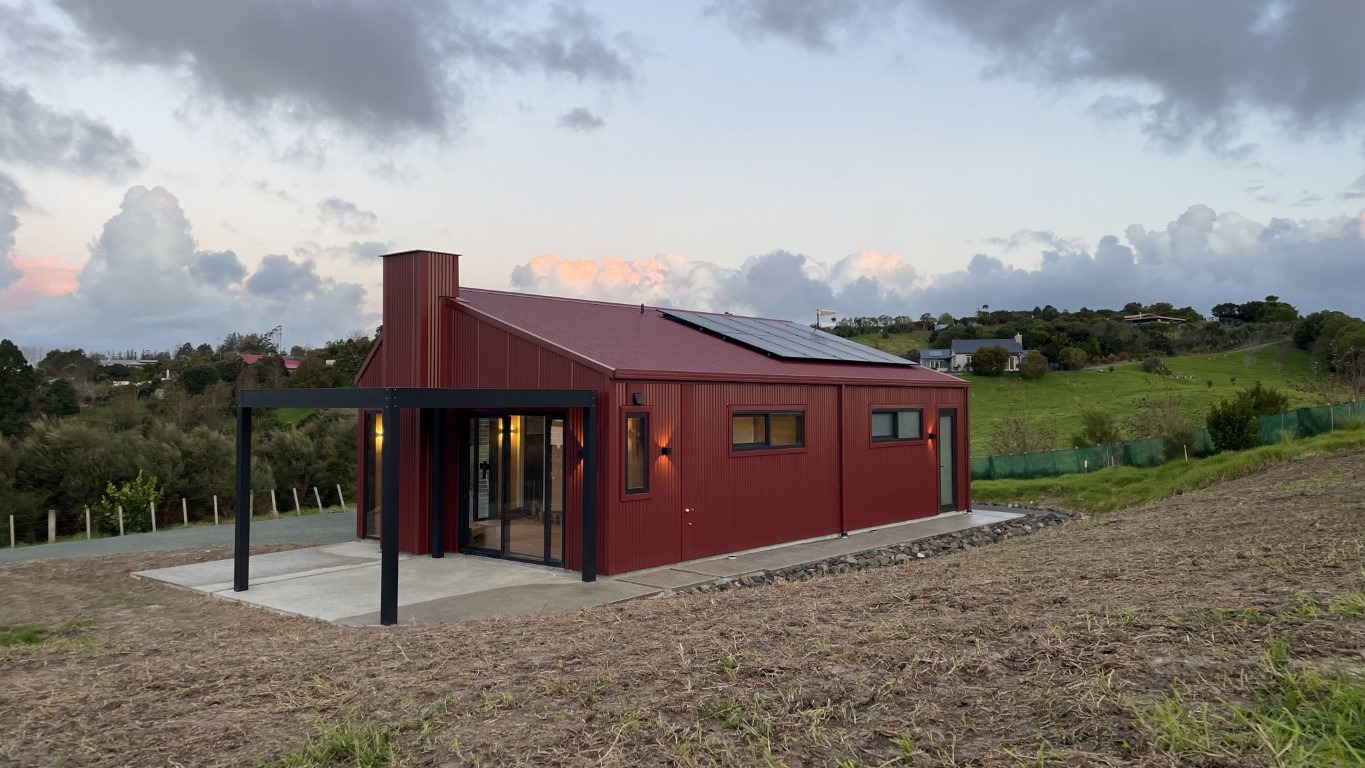
When most people think about solar, they picture two clear options: you’re either on the grid or completely off it. But what if there was a smarter middle ground, one that gives you flexibility, reliability, and backup when it matters most? That’s where hybrid solar comes in.
What Exactly Is a Hybrid Solar System?
A hybrid system combines the best parts of both grid-tied and off-grid setups. You stay connected to the national grid, but you’ve also got battery storage, allowing you to store excess solar power generated during the day and use it later in the evening or during outages.
Your home or business uses solar power first, then battery power, and only draws from the grid when needed. Any surplus energy can be used to charge your battery or exported back to the grid for credits.
Think of it as solar with a safety net: you still get the benefits of solar generation, but with added peace of mind.
The Key Benefits for Kiwi Homes
- Power continuity: Keep essential appliances running during outages or grid disruptions.
- Energy control: Use stored solar energy during peak pricing periods.
- Cleaner energy use: Maximise your own renewable energy before relying on the grid.
- Future-ready: Easily integrate with EV chargers, heat pumps, and smart home technology.
Hybrid systems are especially popular with households that value reliability, work from home, live in outage-prone areas, or simply want greater control over how and when they use power.
How Hybrid Differs from Other Systems
There are three main types of solar systems in New Zealand: grid-tied, off-grid, and hybrid.
Grid-tied systems are the most common and cost-effective. They reduce power bills but do not provide backup during outages.
Off-grid systems operate completely independently and are best suited for remote locations. They require larger battery storage and more careful energy management.
Hybrid systems combine grid connection with battery storage. During the day, solar powers your home first, then charges the battery. The grid acts as backup when demand exceeds supply.
This balance of flexibility and resilience is what makes hybrid systems appealing, particularly for homeowners who prioritise continuity of power.
Who Is Hybrid Solar Best For??
Hybrid solar isn’t the right solution for everyone, and that’s okay. It’s best suited to households and businesses that place a high value on reliability, control, and future-proofing, rather than just the fastest financial return.
Hybrid systems are a great fit if you:
- Experience frequent power outages or live in areas with less reliable grid supply
- Work from home and can’t afford downtime during the day
- Have critical power needs, such as medical equipment or home servers
- Want backup power without fully committing to an off-grid lifestyle
- Use more electricity in the evenings, when stored solar can reduce peak power costs
- Are planning for the future, such as adding an EV, heat pump, or increasing household energy use
On the other hand, if your main goal is the shortest possible payback period, a standard grid-tied system may be a better starting point. Hybrid systems make the most sense when continuity of power and peace of mind are just as important as long-term savings.
Is a Hybrid System Worth the Investment?
Hybrid systems do have a higher upfront cost than standard grid-tied solar, largely due to the cost of batteries. Based on real-world installs and current battery pricing, the typical payback period for a hybrid system sits around 8–10 years, with some households achieving closer to 8 years depending on usage patterns and load shifting.
Because of this, hybrid systems are not always installed purely for financial return. In many cases, you’re investing in energy security and reliability, rather than maximum cost savings. If uninterrupted power is important to your household, whether for work, health, or peace of mind, a hybrid system can be well worth it.
Super City Solar’s Experience
We’ve installed over 100 hybrid systems across Auckland and beyond, from family homes to rural properties.
Our approach is always practical and honest: we recommend hybrid systems where backup power and flexibility are a priority, and grid-tied systems where pure savings make more sense.
Our customers value the independence, reliability, and visibility that comes from tracking their energy use and knowing they’re protected when the grid goes down.

Ready to take your power back?
Talk to the Super City Solar team about designing a hybrid system that fits your lifestyle, energy goals, and future plans.